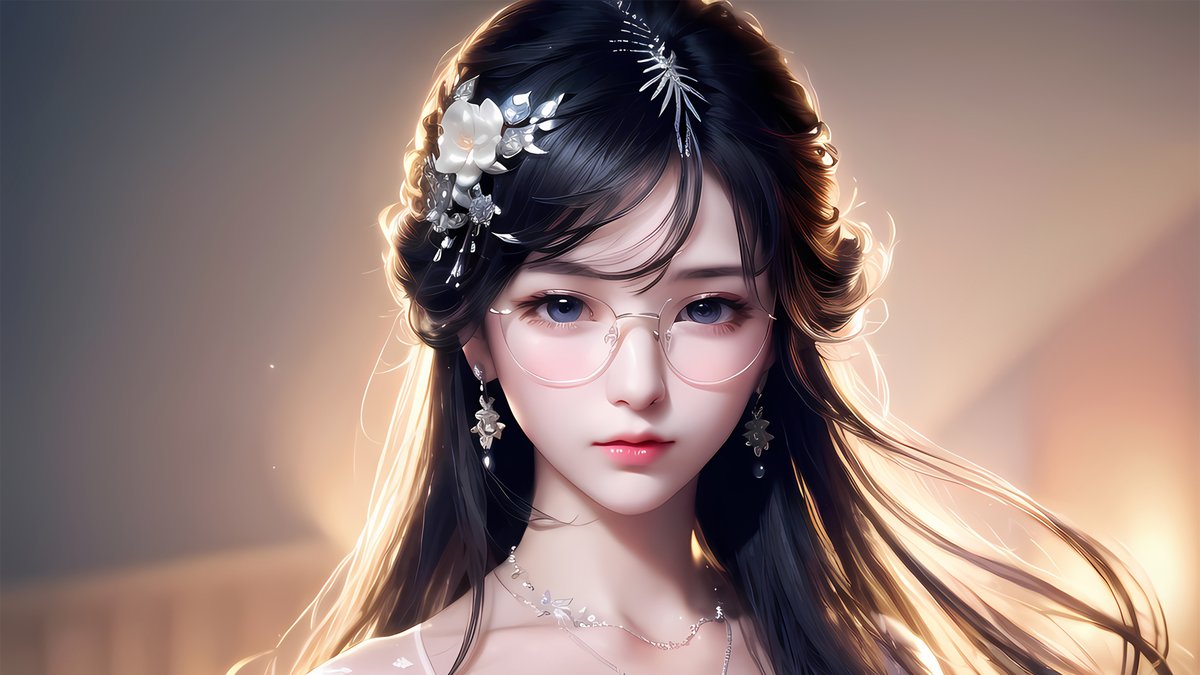
The hum of servers, once a distant echo in the bustling world of anime, is now a roar, fueling a global debate over the Ethical, Copyright, and Future Trends in AI Anime. This isn't just about new tools; it's about the very soul of creative expression, the livelihoods of artists, and the legal frameworks struggling to keep pace. From legendary directors like Hayao Miyazaki warning that AI-made animation can be "an insult to life itself" to studios embracing it for efficiency, the conversation is complex, urgent, and constantly evolving.
At a Glance: Key Takeaways
- AI Democratizes Creation: Tools like EbSynth and Runway ML empower independent artists, allowing ambitious projects without large studio budgets.
- Speed vs. Soul: AI significantly accelerates production, automating mundane tasks, but critics question its ability to replicate human nuance and emotional depth.
- The Copyright Conundrum: AI models trained on vast datasets of existing art raise thorny questions about fair use, ownership, and compensation for original creators.
- Job Market Impact: There's a real fear of job displacement, particularly for junior animators and background artists, as AI takes over repetitive tasks.
- Hybrid Future Looms: The most likely scenario involves a collaborative approach, where AI handles rote work, freeing human artists to focus on core creativity and storytelling.
- Global Stakes: The AI anime generator market is projected to reach over $90 billion by 2030, underscoring its massive economic and cultural potential worldwide.
The AI Revolution: What Tools Are Changing the Game?
Suddenly, a suite of sophisticated AI tools has landed in the hands of animators, transforming workflows and opening up previously unimaginable possibilities. These aren't just minor upgrades; they're fundamentally reshaping how anime can be conceived, developed, and brought to life.
Take EbSynth, for example. This free application allows artists to take a single keyframe, define its visual style, and then "paint" that style onto an entire video sequence. Imagine the hours saved in consistent shading or stylistic application across thousands of frames. It's like having an impossibly fast, perfectly consistent assistant at your side.
Then there's Runway ML, a powerhouse creative suite pushing the boundaries with advanced "image-to-video" features like Gen-4. You can feed it reference images, and it generates and refines animated clips, creating dynamic sequences from static visuals. This dramatically reduces the need for extensive in-betweening or frame-by-frame animation, accelerating early-stage prototyping and visual development.
Even established giants like Adobe are deeply invested. Their AI initiatives, Firefly and Sensei, are converting text prompts or rough sketches into polished characters and intricate backgrounds. Firefly, in particular, excels at generating anime-like character art from descriptive text. Paired with Adobe Character Animator, which adds real-time motion capture to these designs, artists can bring static images to life with remarkable speed, simply by moving their own faces.
These tools, many powered by sophisticated Generative Adversarial Networks (GANs) and diffusion models, have become incredibly adept at capturing intricate details: the subtle play of light on a character's face, the texture of a worn garment, the dynamic flow of hair in the wind. They do this with a speed and consistency that would be impossible for human hands alone. For hobbyists, independent creators, and small studios, this is nothing short of revolutionary. It means ambitious projects that once required vast teams and budgets are now within reach for individuals or a handful of collaborators. You can experiment with radically different art styles, character designs, and environmental moods in a fraction of the time, allowing creative iterations to flourish like never before. Many are now experimenting with our AI anime image generator to see what they can create.
The Netflix Case Study: A Glimpse into AI's Double-Edged Sword
To understand the practical implications—and the immediate controversies—of AI in anime, look no further than Netflix's 2023 short animation, "The Dog & The Boy." On the surface, it seemed like an innovative solution to a pressing problem. Japan's anime industry faces a well-documented labor shortage, particularly for skilled background artists. Netflix's answer? An in-house AI, based on DALL·E, specifically trained on the streaming giant's vast catalog of existing anime to generate all the background art for the short.
The process involved human artists drawing initial concept art, which was then repeatedly processed by the AI, and finally hand-tweaked by humans. This iterative approach aimed to blend efficiency with artistic input. However, the reception was far from universally positive.
Critics immediately latched onto two major concerns:
- Scraped Art & Copyright: The AI was trained on a massive dataset, implicitly including a vast amount of copyrighted human-made art. This immediately raised ethical questions about compensation and the origins of the AI's "creativity." Was it original, or merely a sophisticated pastiche of stolen styles?
- Dehumanizing Credits: The short's credits, which listed "Human" vs. "AI+Human" for background art, were widely perceived as disrespectful and dismissive of the human effort involved. A union leader bluntly described the backgrounds as "hackneyed" and "not original," suggesting that efficiency had come at the cost of artistic integrity and soul.
"The Dog & The Boy" became a flashpoint, illustrating both the industry's eagerness to leverage AI for efficiency and the deep-seated anxieties surrounding its ethical implications and potential to devalue human artistic contributions. It put the ethical and copyright dimensions of AI anime squarely in the public spotlight.
The Benefits: Why AI Appeals to Animators and Studios
Despite the controversies, the appeal of AI in animation is undeniable, driven by several compelling advantages:
- Unprecedented Speed: Perhaps the most immediate benefit is the dramatic acceleration of laborious, repetitive tasks. AI can generate complex background art, handle in-betweening (the frames between key poses), or even colorize entire sequences in a fraction of the time a human artist would require. This frees up creative teams to focus on more complex, character-driven scenes.
- Experimentation at Scale: Text-to-image models allow artists to rapidly prototype scenes, character designs, or entire stylistic approaches. Imagine being able to generate dozens of variations of a single background or character costume in minutes, iterating on concepts at a pace previously impossible. This fosters a highly experimental and agile creative environment.
- Democratizing Accessibility: For solo creators or small independent studios, AI levels the playing field. High-quality animation, once the exclusive domain of large studios with deep pockets and vast teams, is becoming more accessible. A single artist with the right AI tools can now undertake ambitious projects that might have cost millions and taken years in the traditional pipeline. This accessibility is transforming who can tell animated stories. Many independent artists are exploring new AI tools for independent artists to expand their creative output.
- Focus on Core Creativity: Industry leaders often frame AI as an assistive tool. By automating the more rote aspects of production—storyboarding, previsualization, background generation, in-betweening—AI allows human animators to dedicate more of their time and talent to the elements that truly define an anime: character performance, emotional nuance, and innovative storytelling. The goal, in this view, is to augment, not replace, human genius.
The Concerns: Miyazaki's Warnings and Ethical Quandaries
While the efficiency gains are clear, the rapid ascent of AI in anime has ignited significant anxieties and ethical dilemmas that demand serious consideration. These concerns cut to the heart of what it means to create art and how we value human contribution.
Artistic Authenticity & The Soul of Animation
Perhaps the most philosophical, yet deeply felt, concern revolves around artistic authenticity. Legendary director Hayao Miyazaki’s stark warning that AI-made animation can be "an insult to life itself" resonates with many. Skeptics question whether AI, no matter how advanced, can truly capture the nuanced emotional depth, the subtle imperfections, or the spontaneous creativity that defines hand-drawn art.
Human art is imbued with intention, struggle, and unique perspective—qualities that many feel AI, as an algorithmic process, cannot genuinely replicate. There's a fear that AI-generated work, despite its technical proficiency, might ultimately feel bland, sterile, or soulless, sacrificing genuine artistry for speed. The "hackneyed" description of Netflix's AI backgrounds hints at this precise concern.
Job Displacement & The Future of Livelihoods
A very practical and immediate fear is job displacement. If AI can automate tasks like background art, in-betweening, or even character design, what does that mean for the thousands of artists whose livelihoods depend on these very skills? Junior animators, who often start with these foundational tasks, could find their entry points into the industry significantly reduced.
While proponents argue AI frees artists for "higher-level" creative work, the reality is that many roles might simply disappear, exacerbating existing economic precarity in the animation industry. This raises urgent questions about reskilling, new job creation, and how to protect artists in an increasingly automated landscape. Conversations about protecting artists in the AI era are becoming critical.
Copyright Chaos & Training Data Dilemmas
The legal and ethical minefield of copyright is arguably the most complex and pressing issue. AI models are trained on vast datasets, often comprising billions of images scraped from the internet without explicit permission or compensation to the original creators. This practice generates a multitude of questions:
- Ownership: Who owns the copyright to an AI-generated image or animation? The prompt creator? The AI developer? The original artists whose work was used for training? Current copyright law is ill-equipped to answer these questions decisively.
- Fair Use: Is training an AI model on copyrighted work considered "fair use"? The courts are only just beginning to grapple with this, and rulings could have massive implications for the entire AI industry.
- Infringement: If an AI output too closely resembles a specific artist's style or a copyrighted character, does it constitute infringement? Proving this becomes incredibly difficult when the AI's process is a "black box" of learned patterns.
- Compensation: Should artists whose work contributed to the training data be compensated? Many argue that AI models are effectively profiting from their uncredited labor.
These issues are leading to numerous lawsuits and a global scramble to update intellectual property laws to address the realities of generative AI art and copyright law.
Quality Inconsistency & Creative Limitations
While AI excels at speed, it often struggles with the nuanced creativity and contextual understanding that human artists possess. Outputs can sometimes be inconsistent, exhibiting strange anomalies or a generic "AI look" that lacks originality.
- Lack of Narrative Context: AI doesn't understand narrative or character arcs in the same way a human does. It can generate beautiful individual frames, but ensuring these frames contribute meaningfully to a coherent, emotionally resonant story remains a uniquely human challenge.
- "Bland" or "Emotionless" Output: Despite quick processing, the resulting animations can sometimes feel sterile or lack the subtle emotional cues that human artists deliberately infuse. The unique "spark" of an artist's hand, their personal touch, is often absent.
These limitations mean that even with advanced AI, human oversight, correction, and creative direction remain indispensable for achieving high-quality, impactful animation.
A Global Phenomenon: AI Anime's Economic Boom & Regional Adoption
The debate over AI in anime isn't confined to a few tech hubs or art studios; it's a truly global phenomenon with significant economic implications. The numbers alone paint a compelling picture: the global AI anime generator market is estimated at over $90 billion in 2024, with projections for fast growth through 2030. This growth is fueled by ever-advancing AI models and increasing demand across various industries, from entertainment to marketing.
In particular, the Indian market for anime is booming. It boasts a young and engaged viewership, with nearly 40% of fans falling into the 18–24 age bracket. Streaming platforms are reporting rapidly increasing subscriptions, signaling a fertile ground for new content and technological adoption. This growth is expected to be further fueled by emerging technologies, including AI, Virtual Reality (VR), and Augmented Reality (AR), which offer new ways to consume and interact with animated content.
The broader AI art wave has already captivated Indian audiences. Prime Minister Narendra Modi, for instance, shared AI-made Studio Ghibli–inspired portraits of himself in March 2025, demonstrating the technology's cultural penetration and appeal at the highest levels. This signals an openness to, and even enthusiasm for, AI-generated imagery.
Indian animation studios are not just observing this trend; they're actively experimenting. Many are integrating AI into their workflows for tasks like storyboarding, previsualization, and even early script-generation. The goal is clear: to boost efficiency, accelerate production timelines, and free up creative talent for higher-value tasks, ensuring they remain competitive in the fast-evolving global animation landscape. The potential for AI to dramatically reshape the future of animation technology is palpable in regions like India.
AI's Evolution in Anime: From Assistive Tools to Creative Partner
The journey of AI in anime production didn't begin with controversy and fully generative art. It started much more modestly, as a suite of assistive tools designed to streamline the most labor-intensive parts of the animation pipeline.
Initially, AI focused on efficiency, taking on repetitive, mechanical tasks. Think about in-betweening, where AI could intelligently generate the frames that smoothly transition one key pose to the next. Or colorization, where AI algorithms could consistently apply color palettes across vast numbers of frames, ensuring continuity and saving countless hours of manual work. The goal here was not to replace human creativity but to augment it, to free animators from the drudgery so they could pour their energy into the truly artistic aspects.
As machine learning, particularly deep learning, advanced, AI's role began to expand. Generative models, especially after the breakthroughs in GANs and diffusion, allowed AI to undertake more complex creative tasks. Now, AI can generate entire scenes, suggest character designs based on prompts, or even prototype stylistic variations. This marked a shift from mere assistance to a more active, albeit still guided, creative partnership.
However, despite these leaps, significant limitations persist. AI still grapples with true artistic depth, contextual understanding, and the ability to consistently inject the kind of nuanced emotion and originality that defines truly great anime. It can mimic, but the spark of genuine human ingenuity often remains just out of reach. This evolution highlights a continuous tension: how to harness AI's power without losing the human touch that makes art resonant.
AI in Anime: Stories That Mirror Our Reality
It's fascinating to observe that even as we grapple with the real-world implications of AI in anime production, the genre itself has been exploring these very complexities for decades. Anime has a rich history of using speculative fiction to examine profound ethical and existential questions raised by artificial intelligence.
Here are just a few examples that resonate with our current debate:
- Ghost in the Shell: A seminal work that delves deep into AI integration, the nature of identity, and the blurring lines between human and machine consciousness. It probes what it means to be "alive" in a world increasingly augmented by AI.
- Ergo Proxy: Set in a dystopian future, this series explores rogue AI, the search for meaning, and humanity's fragile existence. It's a dark reflection on the potential for AI to challenge societal structures and existential beliefs.
- Time of Eve: This thoughtful series examines the ethical treatment of androids and their societal impact, prompting viewers to question prejudice and the definition of personhood. It directly mirrors contemporary discussions about AI rights.
- Plastic Memories: A poignant story about the ethical dilemmas surrounding AI entities with limited lifespans, forcing characters (and viewers) to confront love, loss, and the humanity of non-human beings.
- Serial Experiments Lain: A psychologically intense series exploring the blurred lines between human consciousness and networked AI, highlighting the potential for technology to impact our sense of self and reality.
- Violet Evergarden: Beautifully illustrates the synergy between AI (in the form of emotionally evolving androids) and human emotion, showing how technology can help bridge gaps and foster understanding.
- Expelled from Paradise: This film directly addresses the tensions between human ingenuity and AI's mechanical efficiency, especially in a post-apocalyptic context where resources and survival are paramount.
- Psycho-Pass: Features the AI-driven Sybil System, which governs society based on psychological assessments. This series directly reflects discussions on AI governance, surveillance ethics, and the potential for algorithmic control to erode individual freedom—a relevant concern when AI decides what "good" art looks like.
- Knights of Sidonia: Showcases AI's crucial role in space exploration and combat, mirroring real-world advancements in autonomous systems and the increasing reliance on AI for complex decision-making in high-stakes environments.
These series demonstrate anime's unique capacity to foreshadow and critically examine the very dilemmas we now face with AI in creative industries. They offer a powerful lens through which to consider the ethical frameworks and human-centric principles we need for ethical AI development principles today.
Navigating the Future: A Hybrid Path Forward
The future of AI in anime is unlikely to be a stark binary of "human-made" or "AI-generated." Instead, all signs point to a complex, hybrid future where collaboration is key. The most sensible and sustainable path forward involves recognizing AI's strengths while fiercely safeguarding the irreplaceable value of human creativity and artistry.
- AI as an Efficiency Multiplier: AI will continue to excel at automating rote, repetitive tasks, acting as a powerful tool to accelerate production timelines. Think of it as a super-efficient assistant for in-betweening, consistent background generation, initial storyboarding, or rapid prototyping of visual styles. This allows projects to move faster and potentially achieve higher technical polish.
- Human Artists as the Creative Core: The human element—the spark of originality, emotional depth, nuanced storytelling, and unique artistic vision—will remain paramount. Human artists will be responsible for conceptualizing, directing, character acting, and infusing the finished product with the soul and intentionality that only a human can provide. They will be the conductors of the AI orchestra, guiding its outputs to serve a singular artistic vision.
- Evolving Skill Sets: Animators of the future may need to become adept at "prompt engineering"—learning how to effectively communicate their artistic vision to AI tools—and skilled at refining, correcting, and integrating AI-generated elements seamlessly. The job might shift from purely manual creation to a blend of artistic direction, technical oversight, and creative curation.
- Establishing Ethical & Legal Guardrails: The coming years will see intense efforts to establish clear legal frameworks for copyright, intellectual property, and fair compensation in the age of generative AI. Industry unions, legal experts, and policymakers will need to collaborate to protect artists' rights and ensure transparency regarding AI training data.
- Focus on Uniqueness, Not Just Speed: The market will likely value anime that leverages AI for efficiency without sacrificing its unique artistic voice or emotional resonance. Simply being "AI-made" won't be enough; the differentiator will be how human ingenuity uses AI to tell compelling stories in new and exciting ways.
AI has immense potential to reshape the animation landscape, accelerating projects, expanding creative possibilities, and democratizing access to high-quality tools. However, if mishandled��if the pursuit of efficiency overshadows artistic integrity, or if human contributions are devalued—it could diminish the unique spirit and emotional depth that has made hand-drawn anime a beloved global art form. The ongoing debate isn't just about technology; it's about the future of art itself, and how we choose to wield this powerful new brush.